A quote form is often treated like the last page of a website. That is too late. For a service business, the form is part of the product: it is where a visitor turns a question into work someone can actually price.
A short form can still collect the right detail
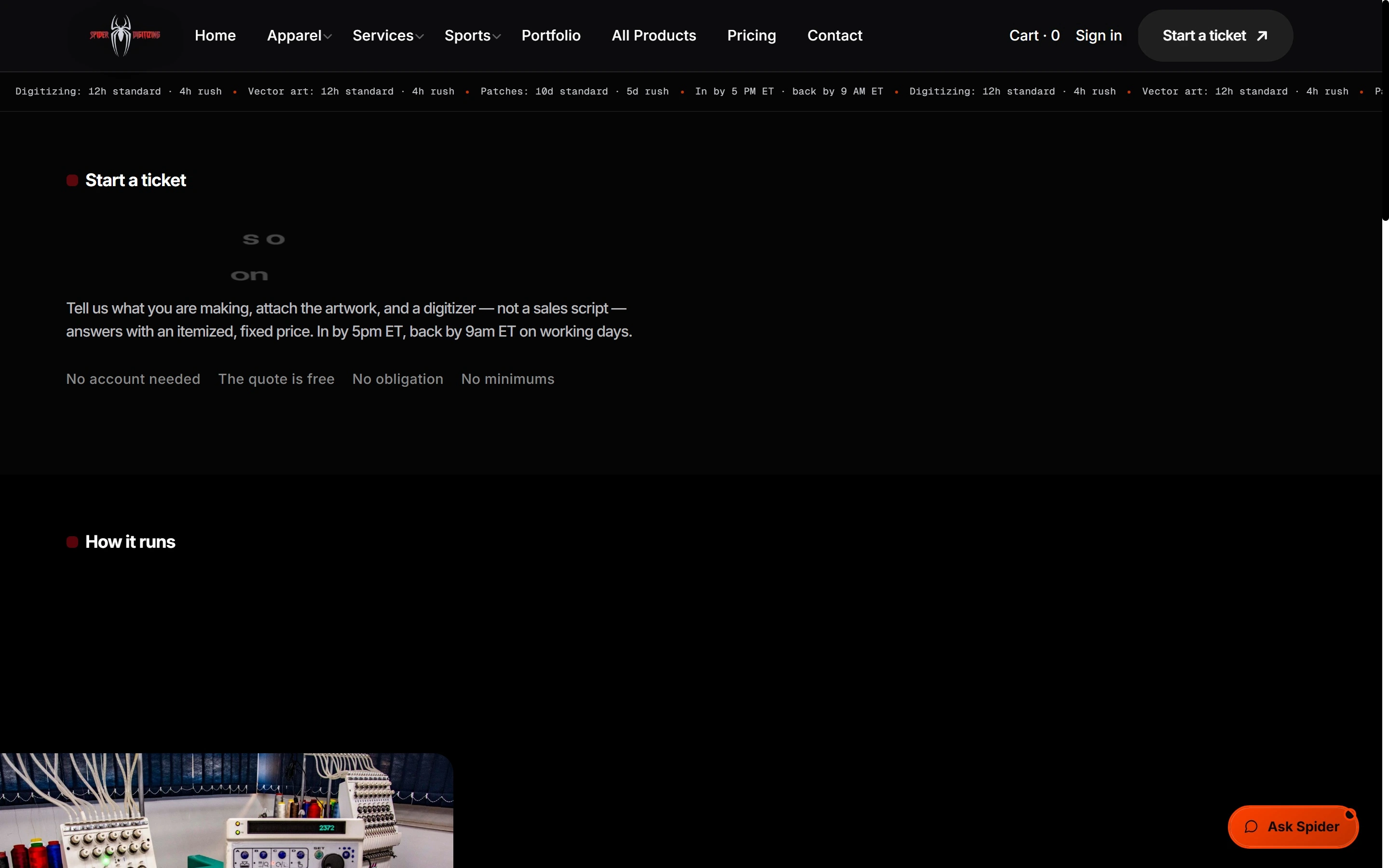
On Spider Digitizing, the public site explains rates, turnaround, accepted formats, and the production process before asking for artwork. The customer can start with a guest ticket, then return to quotes, messages, orders, revisions, and invoices through an account.
That order matters. A person should not have to upload a file before they know what the service does. They also should not have to write a long paragraph when a few clear fields would explain the job better.
The next person needs the same context
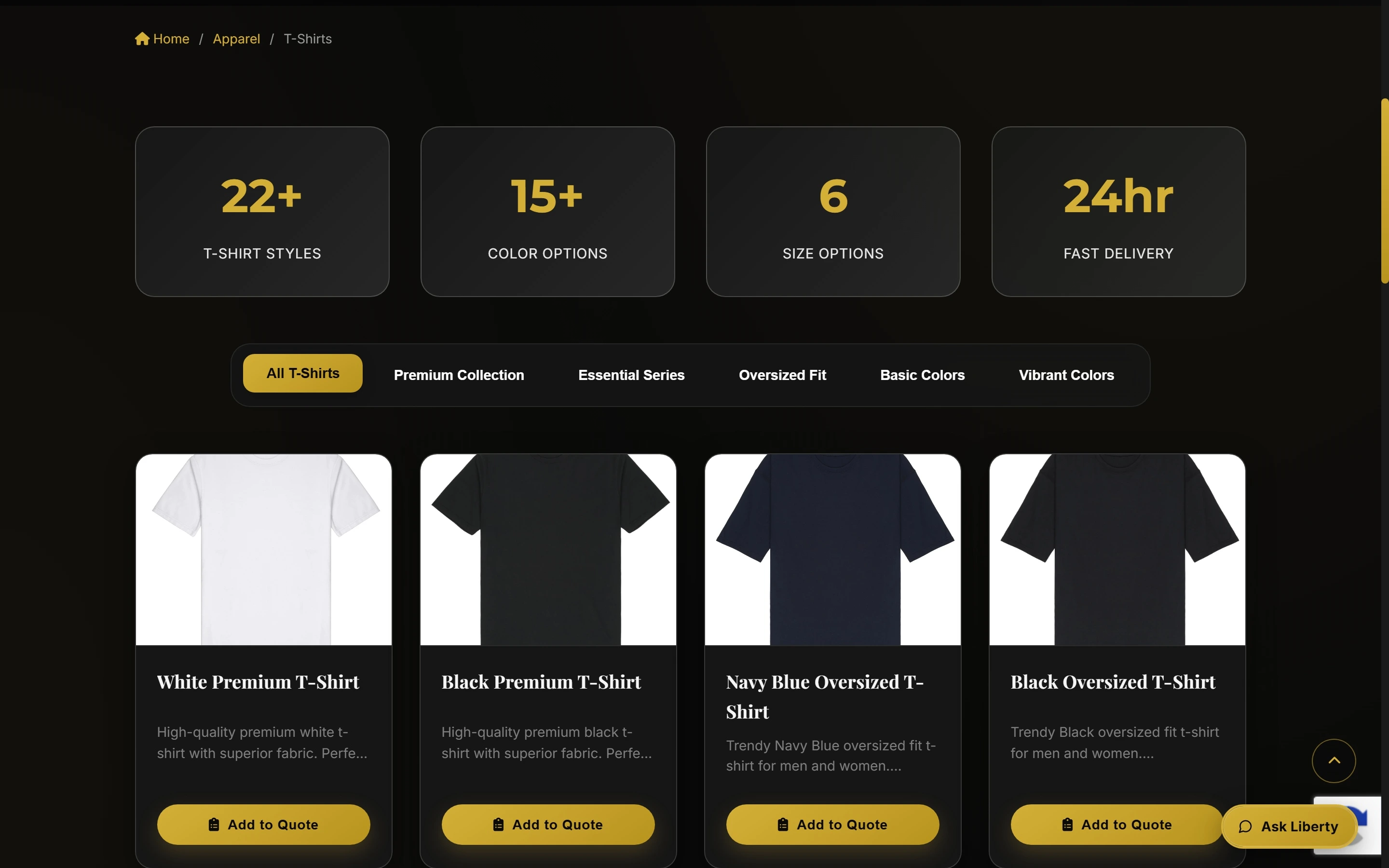
The form is only the first handoff. At Liberty Digitizing, a request can move from a public apparel or service path into pricing, assignment, file delivery, invoicing, and reporting. The customer sees a request. Staff see a queue and the next action.
Good form design keeps those two views connected. It asks for information that helps the team act, but it does not make the customer do the team’s job. The labels should say what is needed, the upload step should explain accepted files, and the confirmation should make the next step visible.
The small test I use
After building a quote path, I follow one request as if I were a new customer. Then I follow the same request as the person who has to price or produce it. If the customer has to repeat the story, or the staff member has to guess what the customer meant, the form is not finished.
The best quote form is not the one with the fewest fields. It is the one that carries the right information from the first question to the next useful decision.